
Casino Provider vs Online Casino Software: What Operators Need to Launch
I’ve launched test builds comparing a casino provider versus full online casino software. The provider supplies games; the software runs the online casino platform. You’ll usually pay $2k–$5k monthly for operator-grade casino software, and you should review https://casinosoftware.co.ke/ as part of your casino management system planning. Decide what you already have: games, or a full casino management system, and then align the rollout with your team’s workflow.
How an Online Casino Platform Works: Casino Management System Components
- Map your casino management system: CRM, KYC, accounts, and reporting before any integration work.
- Connect player login to wallet balances in the online casino platform, not via email hacks.
- Test payments integration for online casinos with Stripe + Neteller for two success cases.
- Set up admin roles and audit logs so ops can’t edit odds silently.
- Implement game catalog aggregation to keep providers’ menus consistent.
I tested a build with Genesis-style onboarding flows. The casino backend system should handle bets, bonuses, and ledger reversals automatically. Your casino management system must log every wallet movement.
Casino ID Provider Integration: Player Identity, Account Linking, and Access Control
I integrated a casino ID provider once, and it saved weeks of account-merge chaos. Identity is the glue between KYC, login, and fraud checks. Two separate identity IDs can trigger duplicate accounts if you skip linking rules.
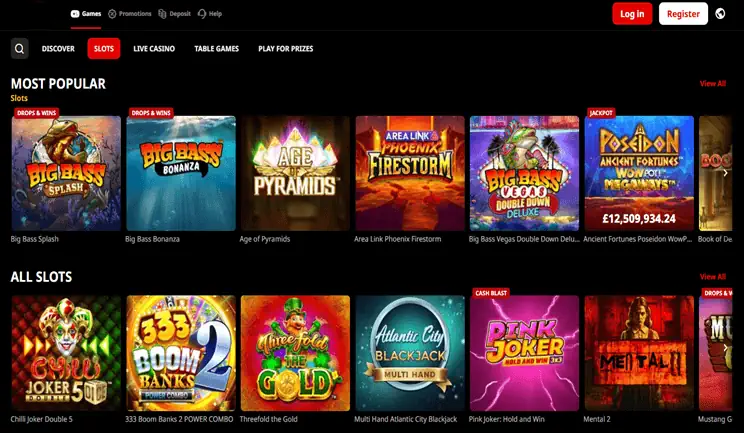
Online Casino Game Providers and Game Content Distribution Across Operator Platforms
I’ve wired slot game provider feeds into an online casino platform. Live casino provider streams usually need extra latency tuning and player device testing. Push only games you can moderate and patch fast.
Multi-Provider Casino Platform Architecture: Game Aggregation, Catalog Aggregation, and API Integration
When I built a multi-provider casino platform, catalog aggregation was the real workload, not the API integration for casinos. Operators want one online casino games library, but each iGaming game supplier ships different metadata. Normalize provider fields or your catalog breaks on day one.
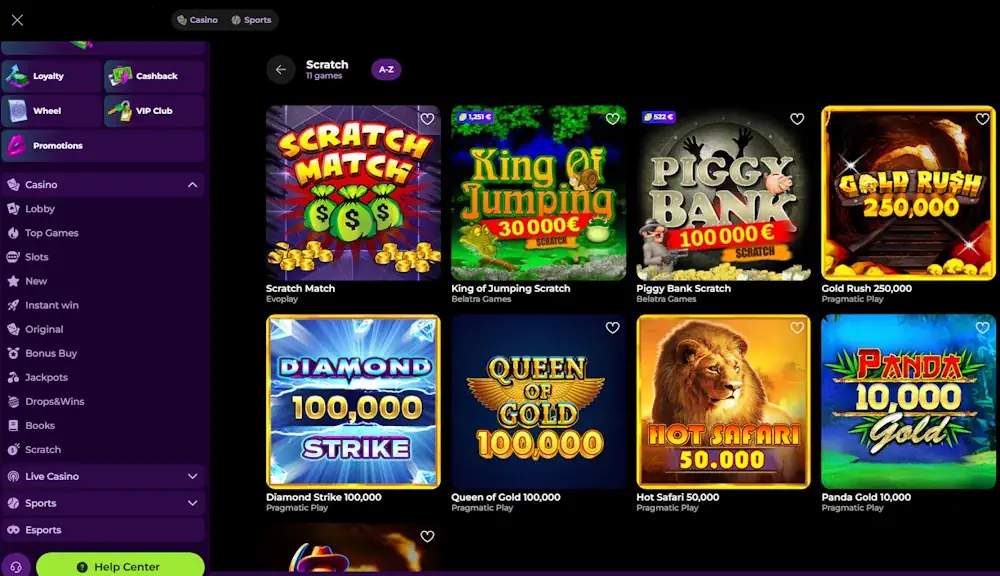
Game aggregation sounds like “just integration” until odds, jackpots, and category tags disagree—then support tickets start.
Turnkey iGaming Solutions: B2B Casino Technology for White Label Casino Software
- Pick a turnkey iGaming solutions stack with API integration for casinos already tested.
- Require a sandbox for sportsbook software provider and casino operator software logins.
- Budget for theme + brand assets separately from the white label casino software license.
- Demand one-click provider onboarding for live casino provider and slot game provider catalogs.
- Confirm monthly uptime SLA and rollback tools before signing.
I demoed two B2B casino technology setups; one shipped in 10 days, the other took 6 weeks. Turnkey is only fast when the providers are pre-wired.
Operator-Grade Casino Backend System: Payments Integration, Player Account Management, and Reporting
I stress-test payments integration for online casinos because wallet bugs always show up on launch week. Operator-grade casino software needs clean ledgers, chargeback handling, and daily reporting exports. Target sub-200ms bet-to-ledger updates to avoid reconciliation nightmares.
Security and Compliance Stack: KYC Verification Provider, Fraud Prevention Tools, and Responsible Gambling Tools
I’ve seen compliance fail from tiny workflow gaps, not missing tech. Use a KYC verification provider like Sumsub or Socure, then add fraud prevention tools with velocity and device checks. Hook responsible gambling tools to both deposits and session time, or they won’t protect real users.
Brand Comparison: Turnkey iGaming Solutions vs White Label Online Casino Software (Provider Table)
I compared turnkey iGaming solutions to white label casino software with three vendors during sourcing. Turnkey usually bundled provider onboarding and online casino management features; white label often demanded more operator-grade casino software work. Pick turnkey when you need live go-live in weeks, not quarters.
FAQ
Provider-only vs full online casino software—what changes first?
Provider-only focuses on game content, while software runs the online casino platform and casino management system workflows. In my testing, wallet and ledger setup becomes the biggest early difference.
What should a casino management system include?
I expect account, bets/bonuses ledgering, admin roles, and reporting. If it can’t log every wallet movement cleanly, reconciliation will hurt.
Why does a casino ID provider matter?
Identity linking keeps KYC, login, and fraud checks consistent. I’ve seen duplicate accounts happen when linking rules are loose.
How do multi-provider setups stay consistent?
Normalize metadata for game catalog aggregation so categories and odds match across providers. The API integration can be fine, but the catalog breaks first if fields drift.
Turnkey vs white label—what’s the practical tradeoff?
Turnkey iGaming solutions usually bundle onboarding and key operator-grade features. White label often shifts more casino operator software work onto you.
Where do security and compliance issues show up?
From workflow gaps, not just missing tools. I’ve found responsible gambling tools must monitor deposits and session time, or they won’t protect real players.